Top Fence Sales Of Sycamore Team
Have a professionally installed fence in Sycamore built right the first time. Our qualified specialists manage permits, HOA approvals, utility locates (811), and property line verification. We carefully plan the design, set posts at frost line, properly align rails, and install gates to specifications. Choose from various materials including wood, vinyl, composite, decorative metal, or chain link-paired with durable metal hardware and warranted finishes. Receive detailed measurements, proper drainage solutions, thorough inspections, plus written schedules and guarantees. Learn how materials, styles, and timelines fit your site best.
Key Takeaways
- Experienced, qualified fence specialists in Sycamore managing required documentation and inspections with verified property line and utility clearances.
- No-cost site assessments, precise site layout, and professional site plans for setbacks, drainage, gates, and slopes.
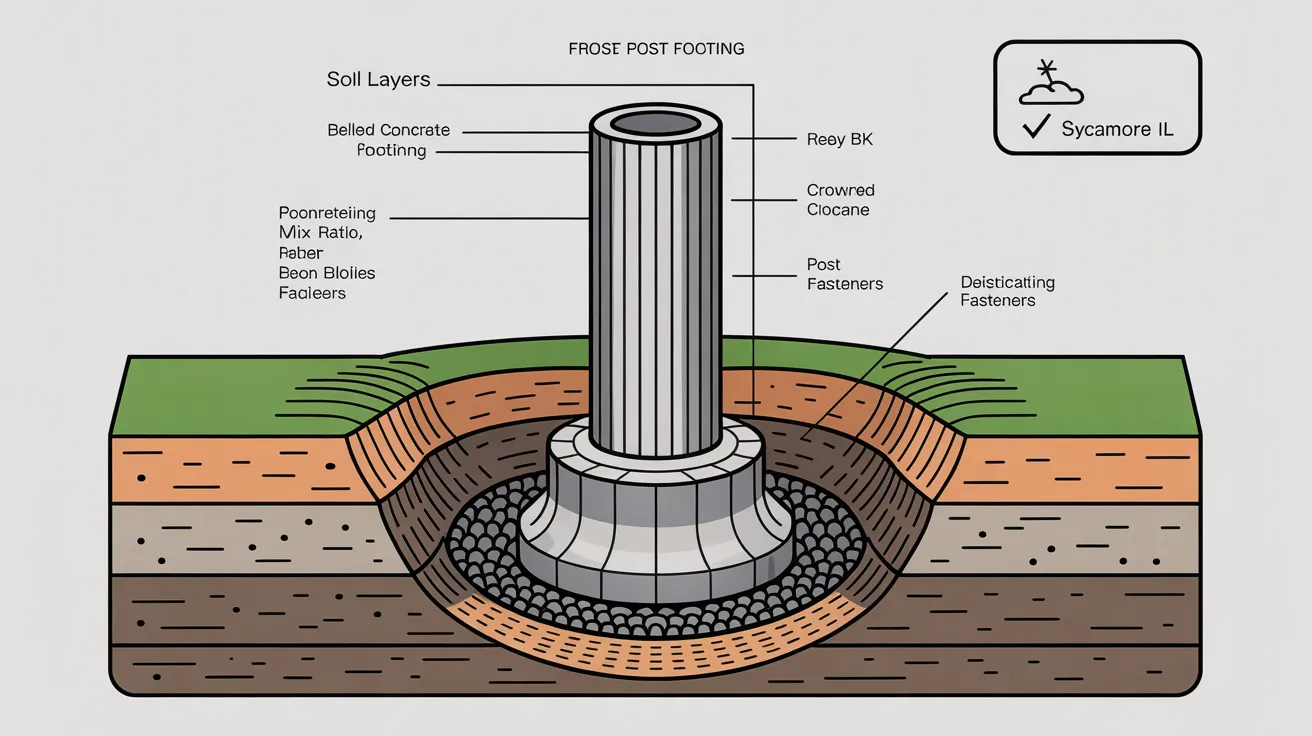
- Professional installation: posts secured to frost depth, including accurate alignment, rust-resistant hardware, and foundation footings crowned for drainage.
- We offer diverse material selections consisting of cedar/PT wood, composite, vinyl, chain link, and ornamental metal offering proper height requirements, pool safety spacing, and warranty coverage.
- Clear service schedules and guarantees; service packages feature once-a-year hardware inspections, surface refinishing, and water management upgrades.
The Importance of Professional Fence Installation in Sycamore
Launch with expertise that prevents costly mistakes: professional fence installers in Sycamore are familiar with local soil conditions, property lines, and municipal codes, guaranteeing your fence meets all regulatory requirements the first time. You'll prevent boundary conflicts, boundary violations, and correction orders because certified installers check boundaries, arrange for utility locates, and maintain approvals. Their expert knowledge establishes post depth, footing size, drainage allowances and gate clearances that remain code-compliant.
You'll also get liability insurance. Professional contractors carry general liability and workers' compensation, safeguarding you from injury claims and property damage. They implement approved installation hardware, weather-resistant materials, and proper safety protocols, while furnishing documentation and warranty coverage. With accurate layout, proper leveling, and correct tightening, your fence works perfectly and passes inspection without delays.
Residential and Commercial Fencing Materials and Designs
With the permitting and layout handled correctly, you can direct your attention to choosing fence options and materials that satisfy Sycamore's performance, maintenance, and code requirements. For minimal care, opt for recycled Sycamore Custom Fence Building composite panels; they resist rot, insects, and warping while conforming to height and setback standards. Wood offers warmth but demands sealing; cedar or treated pine holds up best with code-appropriate post depth and fasteners. Chain link provides cost-effective security; incorporate privacy screens where permitted to improve opacity without exceeding height limits. Ornamental metal (steel or aluminum) offers durable, pool-compliant options with code-specified picket spacing. Vinyl is stable, cleanable, and ideal for residential boundaries. Bamboo fencing can serve as a decorative screen; confirm local allowances for wind load and decay resistance. Remember to confirm gate hardware, visibility, and clearance requirements.
Custom Design: Matching Your Property's Architecture and Needs
Be sure to align the fence design with your building's architectural aesthetic to create a unified look and follow local design requirements. Pick materials and finishes that match existing components, satisfy durability specifications, and meet HOA and building codes. Consider access points, visibility, and setbacks to maximize access and safety while following height limits, boundary requirements, and clearance guidelines.
Architectural Design Harmony
Although fencing specifications, setbacks, and materials need to meet local code, true success stems from harmonizing the design with your property's architectural features and functional requirements. Start by identifying your home's primary design theme-Colonial, Craftsman, Contemporary, or Mid‑Century-and reflect its patterns, proportions, and elements in the fencing design and post placement. For heritage conservation areas, comply with official requirements, preserve important viewlines, and document any proposed visual contrast to demonstrate harmonious integration.
Align upper elements to roofline slopes and porch details, ensure gate spacing fits path layout, and size posts to building mass. Keep transparency around primary elevations to maintain neighborhood aesthetics and sight triangles. Include corner returns, datum lines, and trim profiles for unified design. Verify setbacks, sight-distance requirements, and easements before layout to establish proper, unified alignment.
Material and Finish Options
Few decisions influence performance and cohesion more than any other factor. Select materials that satisfy code requirements, climate conditions, and maintenance needs. Pressure-treated pine provides value and takes stains easily; cedar and redwood feature inherent oils and exceptional durability against weather. For optimal longevity, specify steel or aluminum with powder coating with AAMA-compliant finishes; in seaside locations, specify marine-grade alloys. Vinyl delivers consistent color and minimal maintenance but demands UV-protected compounds.
Align coating selections to adjacent structures and current Color Trends without sacrificing longevity. Implement absorption-based treatments on wood to prevent separation; choose low-VOC options when necessary. For metals, require protective metal underlayments below the powder finish. Validate hardware: rust-proof connectors, appropriate mounting hardware, and isolation barriers to avoid metal degradation. Confirm finish warranties and maintenance intervals through documentation.
Efficient Space Planning
Before planning fence boundaries, first determine different zone purposes and check against building codes and site restrictions. Layout key access points, driveways, and utility spaces to maintain safe traffic patterns. Define spaces for private areas, animal containment, pool areas, and planting spaces, then determine gate dimensions to enable machinery and emergency vehicle entry. Place gates strategically to preserve accessibility to service meters, utility controls, and access rights; avoid blocking legal access paths.
Comply with local regulations and homeowner association guidelines regarding elevation, transparency, and placement. Maintain proper intersection visibility clearance and ensure proper drainage pathways to avoid water pooling against buildings. Space posts according to ground conditions and building attachment locations to ensure structural integrity. Install robust hardware at regularly accessed entrances. Design lighting and latch systems to comply with safety standards, especially around pool areas. Note all specifications on a detailed site plan.
Permits, Codes, and Property Line Guidelines
Before starting any fence installation, you need to check local permitting, zoning, and code requirements before setting posts. Get written authorization for placement, materials, and height, and validate zoning setbacks for roadways, easements, and alleyways. Review homeowner association rules if relevant. Call 811 and record utility clearances prior to digging; many jurisdictions require proof. Perform survey verification to confirm the official property boundary; don't rely on previous fence lines or suppositions. When boundary markers can't be found, engage a certified land surveyor.
Comply with sight-triangle requirements at intersections and follow pool barrier requirements and wildlife guidelines as required. Secure neighboring property consent for construction adjacent to shared boundaries; written agreements reduces conflicts. Store approval documents on-site and coordinate necessary inspections as mandated. Preserve records-such as approvals, surveys, and notices-for compliance records.
Site Analysis, Measurements, and Project Organization
Start by evaluating the property layout, documenting grade changes, utilities, easements, and required setbacks to verify compliant fence placement. Implement accurate measurement protocols: establish control lines, fix benchmarks, measure center-to-center post spacing, and mark offsets for gates and corners. Record all dimensions and constraints in a site plan to direct material takeoffs, cut lists, and a regulation-compliant installation sequence.
Property Layout Evaluation
Although the fence design and materials are crucial, the key to success lies in a thorough site assessment. Start by verifying property boundaries against recent survey documents and recorded easements; mark setbacks per local code. Mark utilities by calling 811 and document overhead clearances. Complete a vegetation survey to locate trees, roots, and invasive species that may conflict with post locations or long-term stability. Conduct drainage assessment to document slope, low points, and discharge paths so fence lines will not create water buildup or weaken footings. Record driveway aprons, ADA routes, gates' swing arcs, and required sight triangles at streets. Document soil classifications and frost depth to guide footing design. Record surface improvements-retaining walls, patios, irrigation-so alignment remains code-compliant and constructible.
Measurement Protocol Standards
Upon validating the site constraints, establish a fixed baseline and datum, then take measurements from control points to avoid cumulative error. Use benchmark nails or stakes set outside excavation limits. Verify property corners with survey equipment and address any deed, plat, or GIS discrepancies. Conduct laser calibration before layout; confirm instrument level and compensate for slope. Pull taut tapes or utilize a total station to establish fence lines, offsets, and gate clearances. Record horizontal and vertical data, including vertical post positions, drainage fall, and utility separations per code. Indicate post centers at specified spacing, modifying for corner, end, and gate posts. Cross-check diagonals to verify squareness. Record tolerances, required clearances, and obstructions. Protect all control points until concrete cures and final inspection.
Installation Process: From Post Setting to Final Finish
Commence with accurate layout and code checks, where you'll establish corners, run your lines, and indicate post centers at compliant spacing. Excavate to frost depth, bell the bottoms if required, and set posts in 5:1 gravel-concrete mix, sloped for water flow. Check plumb and post alignment with a level and tensioned line; brace until cure. Mount rails per manufacturer span limits, prepare fasteners, and keep consistent reveal at gates and terminations. Hang panels or boards with uniform gaps and corrosion-resistant hardware. Modify top line for grade, then cut posts to specified height. Seal or flash posts where required. Sand exposed cuts, treat end grain, and complete finish selection to match local guidelines. Conduct a final walk-through, checking clearances, fastener torque, and code compliance.
Durability, Maintenance, and Warranty Details
While visual appeal is important, long-term durability is determined by choosing the right materials, protective coatings, and regular maintenance schedules. Pick species and composites rated for weather resistance, then match them with galvanized or stainless hardware to avoid corrosive damage. Install concrete footings under the frost level and use UV-resistant finishes following manufacturer recommendations. If you prefer eco materials, opt for FSC-certified wood or reclaimed composite materials that comply with local building codes and fire ratings.
Conduct annual checks to ensure fasteners are tight, prevent ground contact, and reapply protective finishes as required. Address water flow to prevent moisture absorption. Promptly replace compromised fencing pieces and damaged top pieces to prevent further issues.
Review warranty details in writing. Look for extended protection for materials, fasteners, and workmanship, with clear limitations, transfer options, and maintenance requirements to keep protection valid.
Request a Local Estimate and Schedule for Your Fencing Project
Get a detailed quote by getting detailed proposals from insured, licensed fence installers in your zip code, specifying fence type, elevation, linear footage, gate count, and terrain specifications. Ask each vendor to validate utility locations, property line verification, and code compliance. Ask for a written timeline schedule specifying mobilization, post placement, concrete curing, panel assembly, and inspection dates.
Determine who is responsible for building permits, HOA authorization, and inspection arrangements. Share specifics on soil composition, tree root presence, ground slopes, and access restrictions so crews can accurately price labor and equipment expenses. Request separate quotes for debris removal, bedrock drilling, high-grade concrete, and gate accessories. Compare and analyze labor guarantees and product specs by model number. Establish key phases with payment triggers linked to inspections. Get project dates in writing, with climate considerations and change-order provisions clearly specified.
Popular Questions
How Do Seasonal Weather Patterns in Sycamore Affect Installation Timing
The climate in Sycamore directly influences timing installations. Contractors avoid winter construction periods to minimize frost damage affecting post stability and foundation hardening. Best scheduling windows are spring's end or fall's beginning for consistent soil composition and predictable temperatures. Projects plan around wet weather patterns to ensure proper ground conditions and structural integrity. When pollen counts rise, protective measures shield finishes and adhesives, while complying with local regulations for frost depth requirements, water management specs, and setback inspections to achieve long-term stability.
Can You Integrate Gates With Smart Locks or Access Control Systems?
Absolutely. You can integrate gates with comprehensive access control and smart lock solutions. We support smart entry with keypad integration, Bluetooth, RFID, and Wi‑Fi controllers. We'll specify secure enclosures, weather‑rated hardware, and UL‑listed power supplies. We oversee grounding, low‑voltage wiring, conduit, and surge protection to comply with local codes and NEC. You'll receive audit logs, app control, schedules, and remote overrides. We also set up fail‑secure/fail‑safe per egress and fire code.
What Financing or Payment Plan Options Are Available for Fence Projects?
Select from various credit options including structured payment terms, no-interest promotions, and payment deferrals pending qualification. We provide milestone-based billing that matches your project timeline. We provide clear documentation with all costs clearly stated and code-compliant paperwork. We assist with financial planning, featuring product options and work plan changes to stay within cost targets. Pay using bank transfer, credit card, or check payment. Inquire about early-pay savings and flexible financing options for major renovations.
What About Removing and Recycling Old Fencing?
Yes, we handle environmentally responsible removal of old fencing. We frequently hear from customers upon delivery of their new fence, anxious about material disposal. Don't worry. We carefully remove posts, rails, and footings, categorize metals, wood, and composites, and route them to certified recyclers or compliant landfills. We seal concrete bases, comply with local standards, supply disposal documentation, and leave your site clean. You review and confirm; we document and haul.
What About HOA Approval Support Services - Do You Provide Drawings and Documentation?
Yes, you receive complete HOA approval support. We provide HOA advisory services, create scaled drawings, specifications, and material specifications, and compile essential forms. We manage permit processing simultaneously, ensuring setbacks, height limits, and visibility standards comply with code and HOA covenants. You receive certified drawings when needed, image mockups, and prompt revisions. We handle packets, monitor reviews, respond to comments, and secure final approvals so you can arrange installation seamlessly.
Final Overview
Some folks try to guess where the lot line runs, avoid the permit process, and be left with a fence that looks more artistic than intended. Alternatively, trust experts to manage proper measurements, spacing, and certified products, ensuring your installation is precise and keeps the peace next door. We'll ensure proper matching with your home's style, complete regulation adherence, and expert installation covering all aspects including soil composition to rust prevention. You'll receive a thorough final review, definite completion dates, and a flawless barrier that's straight, legal, and exactly right.